The short answer
Most Culver City furnace problems come from long idle periods: dirty flame sensors, worn igniters, clogged filters, and tired blower parts. Start with the thermostat, filter, power switch, and breaker. If the furnace still won't heat, a technician can test the ignition, safety, and airflow components and explain your repair or replacement options before any work begins.
Culver City winters are mild, so a furnace can sit unused for most of the year and then get switched on during the first cold snap. That long rest is when problems tend to show up: a burner that won't light, a blower that runs but pushes cool air, or a burning-dust smell that doesn't fade. Royal HVAC Solutions repairs gas furnaces in homes across Culver City, in the 90230 and 90232 ZIP codes, about six miles northwest of our Los Angeles base. This page covers what usually goes wrong, what you can safely check yourself, how we diagnose the problem, and what to weigh if repair starts to look like replacement.
Why Furnaces in Culver City Fail the Way They Do
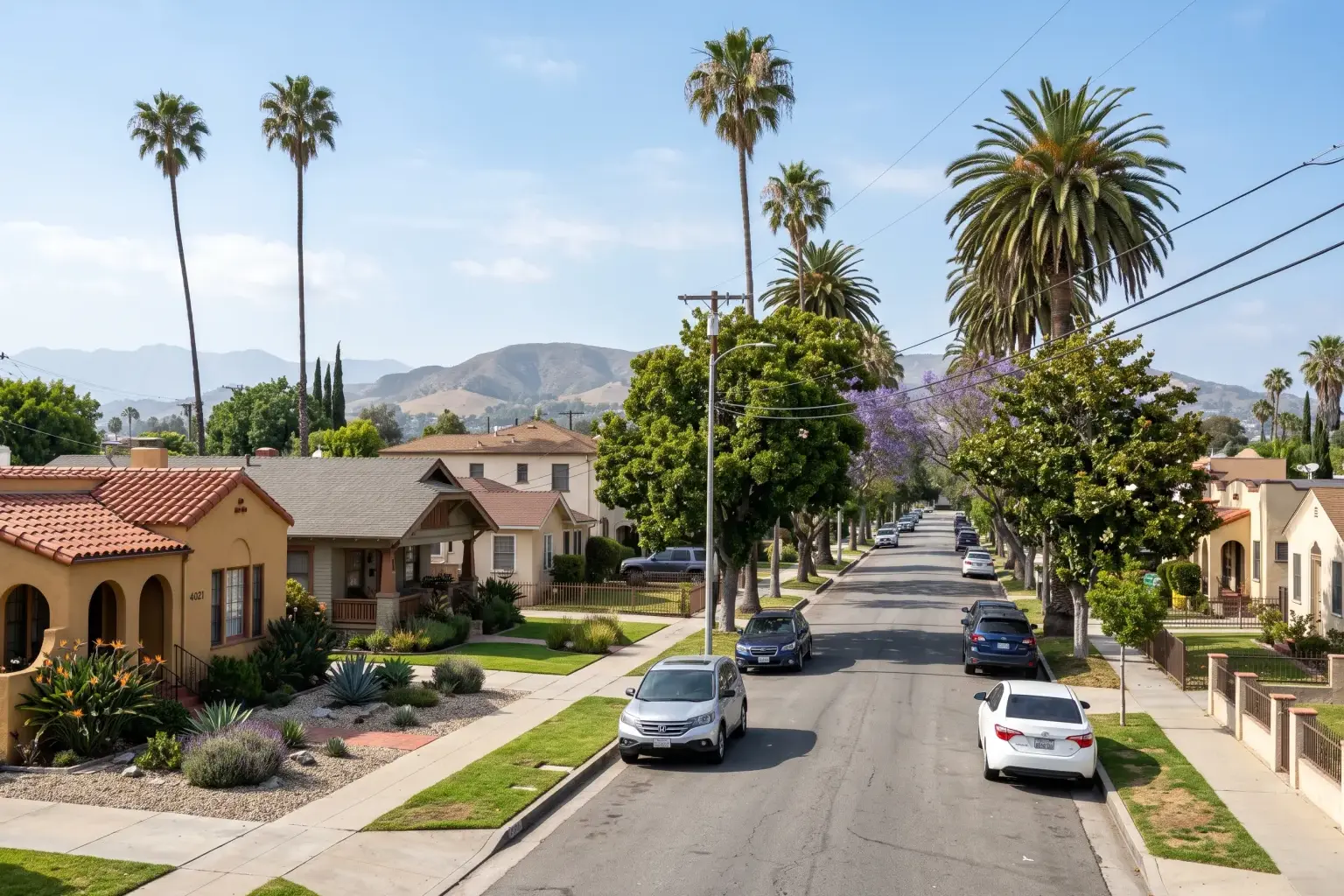
Los Angeles has a Mediterranean climate with dry summers and mild winters. Culver City sits closer to the coast than the inland valleys, so winter nights here are usually cool rather than cold, and a furnace often runs only in short bursts on a limited number of days each year.
Light, infrequent use causes its own wear. Dust settles on burners and the flame sensor while the system is off. Filters get forgotten because the furnace hasn't run in months. A weak igniter or a failing capacitor can go unnoticed until the first night you actually need heat. Fall Santa Ana winds can also bring hot, dry, dusty spells that load up a filter before heating season even starts.
- Furnace won't ignite, or lights and then shuts off within a few seconds
- Blower runs, but the air coming from the vents is cool
- Furnace turns on and off repeatedly without warming the house
- A burning smell that lasts well beyond the first few minutes of the season
- Banging, squealing, or rattling from the furnace or ductwork
- Thermostat calls for heat, but nothing happens at the furnace
Safe Checks Before You Schedule a Repair
A few simple checks can solve the problem or at least narrow it down. None of them require opening the burner compartment or handling gas parts.
- Confirm the thermostat is set to Heat, the setpoint is above room temperature, and the batteries (if it uses them) are fresh
- Pull the air filter and replace it if it's gray or caked with dust
- Find the furnace power switch, which usually looks like a light switch near the unit, and make sure it's on
- Check the electrical panel for a tripped breaker labeled for the furnace
- Make sure the front access panel is fully seated, since many furnaces have a safety switch that keeps them off when the panel is loose
- If you smell gas, don't flip switches or try to relight anything. Leave the house and call the gas utility or 911 from outside
How We Diagnose and Repair Your Furnace
We start by watching a full startup cycle and reading any error code from the control board's indicator light. From there, we test the parts that most often stop a furnace: the igniter, flame sensor, inducer motor, pressure switch, high-limit switch, blower motor, and capacitor. We also look at the heat exchanger for cracks or signs of overheating and check that the venting is intact and drafting properly.
Before any work begins, we explain what we found and what each option involves. If a part is near the end of its life but still working, we'll tell you that too, so you can plan instead of being surprised next winter.
- Cleaning or replacing a flame sensor
- Replacing a cracked or weak hot surface igniter
- Replacing blower motors, capacitors, and inducer motors
- Clearing blocked condensate lines on high-efficiency furnaces
- Replacing failed pressure switches, limit switches, or control boards
- Correcting airflow problems caused by restricted filters, returns, or ducts
Repair or Replace: What Culver City Homeowners Should Know
When a furnace is old, has a damaged heat exchanger, or needs repeated major repairs, replacement may make more sense. Gas furnace rules in this region are worth checking first. South Coast AQMD Rule 1111 limits NOx emissions from natural-gas fan-type central furnaces sold and installed in the Los Angeles area, and the district has been amending it toward zero-emission requirements. Because the district sets and revises the compliance dates, anyone planning a replacement should check the current version of the rule.
Many homeowners also look at a heat pump as a replacement for both the furnace and the air conditioner. Rebates depend on which utility serves your address. LADWP residential electric customers can apply for rebates on qualifying heat pump systems, with the amount based on the unit's SEER2 and HSPF2 ratings, and the application is filed after purchase and installation, within 12 months of buying the equipment. Many homes outside the City of Los Angeles are served by Southern California Edison instead, so we confirm the current offer for your address before quoting it. The federal 25C tax credit for heat pumps applied only to systems placed in service before December 31, 2025, and isn't available for new installations.
Furnace Repair in Culver City and Nearby Communities
Along with Culver City, we handle furnace repair in Inglewood, Hawthorne, Lawndale, Gardena, and Huntington Park. When you contact us, let us know what the furnace is doing, any error code you see, and roughly how old the system is. That helps us arrive with the right parts and get your heat back on with fewer trips.
More services in Culver City
- AC Repair in Culver City
- Heating Repair in Culver City
- Heat Pump Installation in Culver City
- AC Installation in Culver City